

Finding freelance work gets easier when you choose a platform that matches your skills and the type of work you want. A WordPress developer may need a marketplace with many website projects. A UI/UX designer may want a strong portfolio-led network. A senior software developer may prefer a platform with a detailed screening process.
This guide compares 10 major freelancing websites for developers and designers: Upwork, Fiverr, Toptal, Freelancer, Contra, PeoplePerHour, Guru, 99designs, Malt, and FlexJobs. It also covers specialist developer platforms, beginner options, freelance websites in India, platform fees, profile tips, and common mistakes.
There is no single platform that fits every freelancer. The right choice depends on your skill, experience, project type, pricing model, portfolio, and the way you prefer to find clients.
Quick Comparison of the 10 Freelancing Websites
| Platform | Main model | Good for | Developer work | Designer work |
|---|---|---|---|---|
| Upwork | Project marketplace | Developers, designers, agencies | Strong | Strong |
| Fiverr | Gig/service marketplace | Defined services and packages | Strong | Strong |
| Toptal | Vetted talent network | Experienced professionals | Strong | Strong |
| Freelancer | Bidding + contests | Project-based freelance work | Strong | Strong |
| Contra | Portfolio + freelance network | Independent creatives and tech talent | Strong | Strong |
| PeoplePerHour | Project marketplace | Freelance services | Strong | Strong |
| Guru | Project marketplace | Freelancers across many categories | Strong | Strong |
| 99designs | Design marketplace | Graphic and visual designers | Limited | Very strong |
| Malt | Professional freelance network | Experienced independent professionals | Strong | Strong |
| FlexJobs | Remote job board | Remote and flexible jobs | Strong | Strong |
Use the table as a starting point, not as a ranking. Each platform uses a different model, so compare the type of work, fees, application process, payment system, and client base before creating your profile.
Upwork
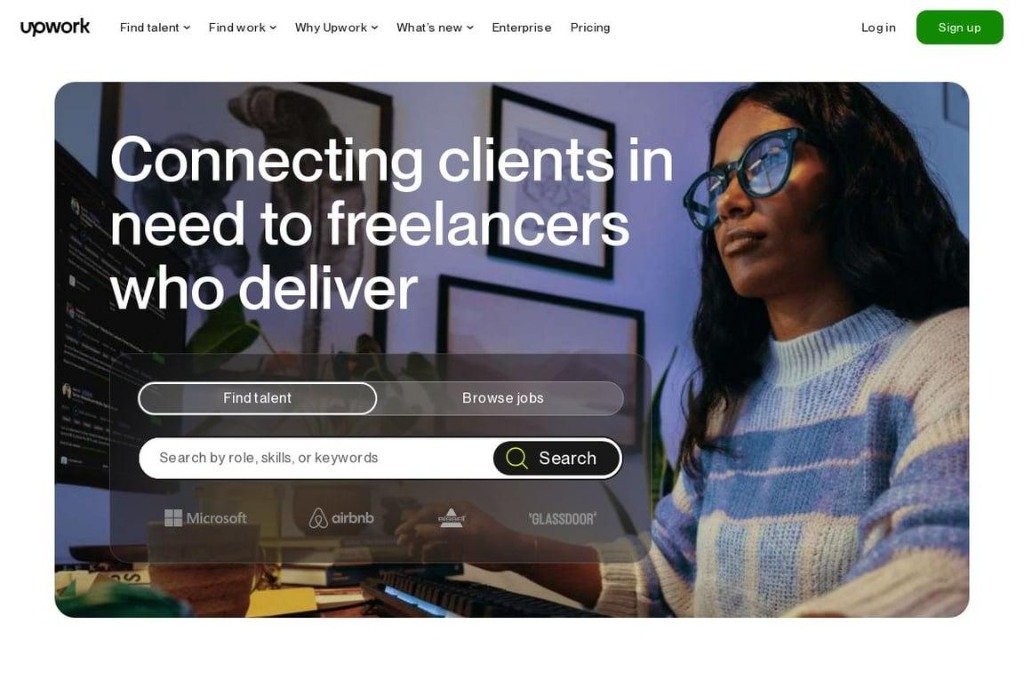
Upwork is a large freelance marketplace where developers and designers can find hourly, fixed-price, and catalog-style projects.
Freelancers create a profile, search for projects, send proposals, agree on a contract, complete the work, and receive payment through the platform. For a WordPress developer, project searches can include WordPress, Elementor, WooCommerce, PHP, website maintenance, speed optimization, and custom theme work. Designers can search for UI/UX, Figma, landing pages, branding, graphic design, and product design work.
Upwork currently charges freelancers a variable service fee of 0% to 15% per contract. The exact percentage appears before you submit a proposal or accept an offer, and the fee stays fixed for that contract.
Upwork also supports different payment models, including hourly and fixed-price contracts. That makes it useful when your work changes from one project to another.
Good fit: freelancers who want a broad project marketplace and are comfortable writing proposals.
Official Upwork freelancer pricing: https://www.upwork.com/pricing/freelancer
Fiverr
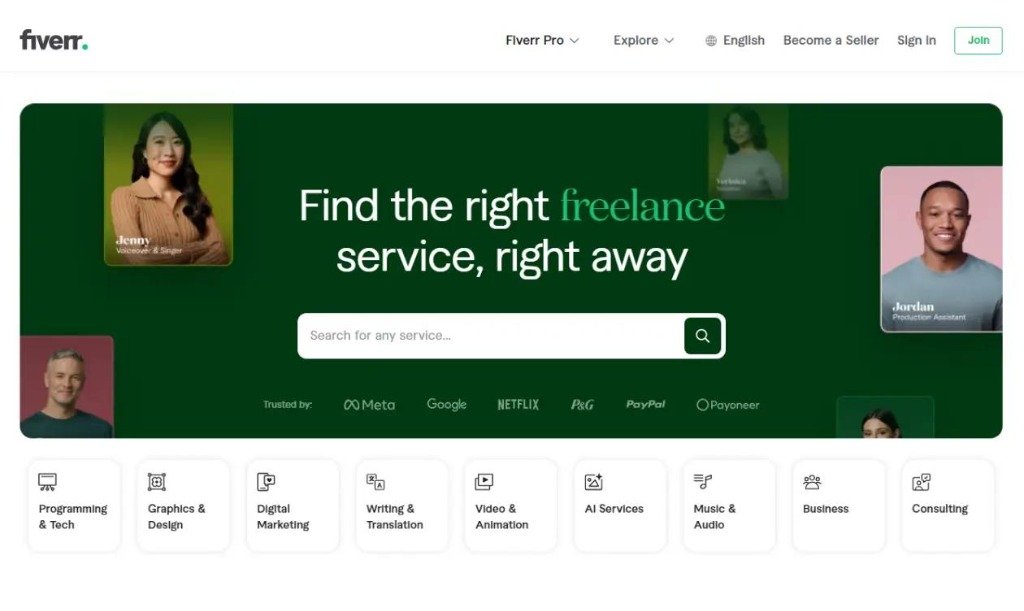
Fiverr is a service marketplace where freelancers list defined services as Gigs that clients can buy.
This model works well when you can describe your service clearly. A web designer might create a Gig for a Figma landing page, while a developer might offer WordPress bug fixing, Elementor development, Shopify customization, or website speed work.
Fiverr also supports packages, so you can separate a basic service from larger deliverables. This can make scope easier to explain before the client places an order.
Fiverr’s current seller earnings documentation says freelancers earn 80% of the purchase amount on completed orders, including Gig Extras and tips. Taxes can affect the amount you finally keep, so check the rules that apply to your location.
Good fit: freelancers who can turn their work into clear, fixed-scope services.
Official Fiverr earnings information: https://help.fiverr.com/hc/en-us/articles/9234443621137-Your-earnings-page
Toptal
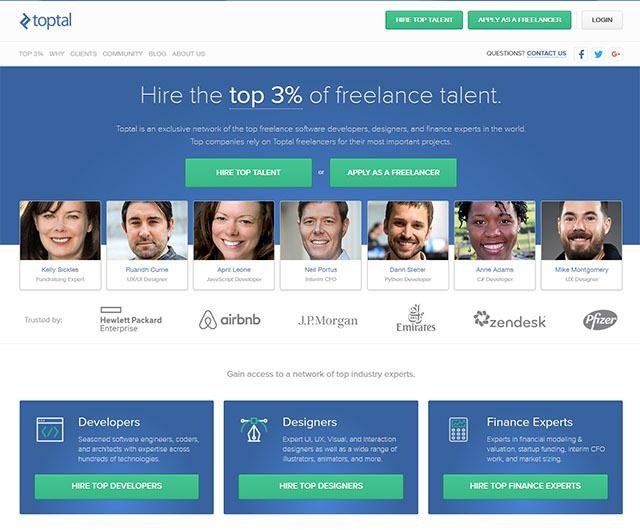
Toptal is a screened freelance talent network focused on experienced professionals in areas such as software development and design.
Toptal uses a multi-step screening process rather than an open marketplace model. Its own published material says fewer than 3% of applicants are accepted into its network, although the exact acceptance rate can change and should be treated as a company-reported figure.
For developers, the platform covers software engineering and related technical roles. For designers, Toptal lists areas such as UI, UX, product design, and visual design.
Because the entry process is more selective than an open sign-up marketplace, this option makes more sense for professionals with strong skills, work history, and a portfolio that can support a detailed screening process.
Good fit: experienced developers and designers who want a screened professional network.
Official Toptal screening information: https://www.toptal.com/top-3-percent
Freelancer
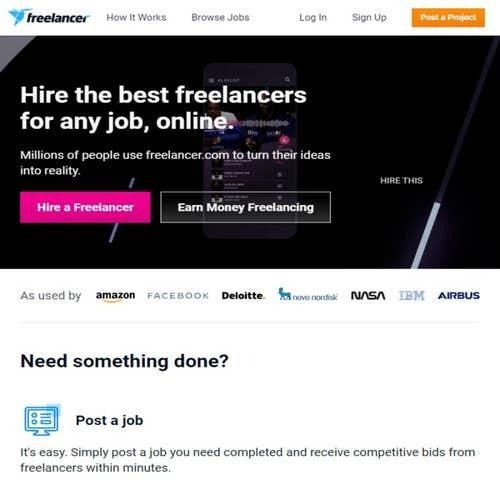
Freelancer is a project marketplace where freelancers can bid on work and also enter design and other contests.
Developers can find work across website development, software, PHP, JavaScript, WordPress, mobile apps, and other technical categories. Designers can use the platform for graphics, logos, websites, UI, and related creative work.
The platform uses a bid-based model for many projects. Freelancer also offers contests, which can matter more to designers because the client can choose a winning submission.
Freelancer offers a free membership plus paid membership plans. The number of bids and other account features varies by plan, so check the current membership page before paying for an upgrade.
Good fit: freelancers who are comfortable reviewing many project listings and submitting targeted bids.
Official Freelancer FAQ: https://www.freelancer.com/faq/topic.php?id=18
Contra
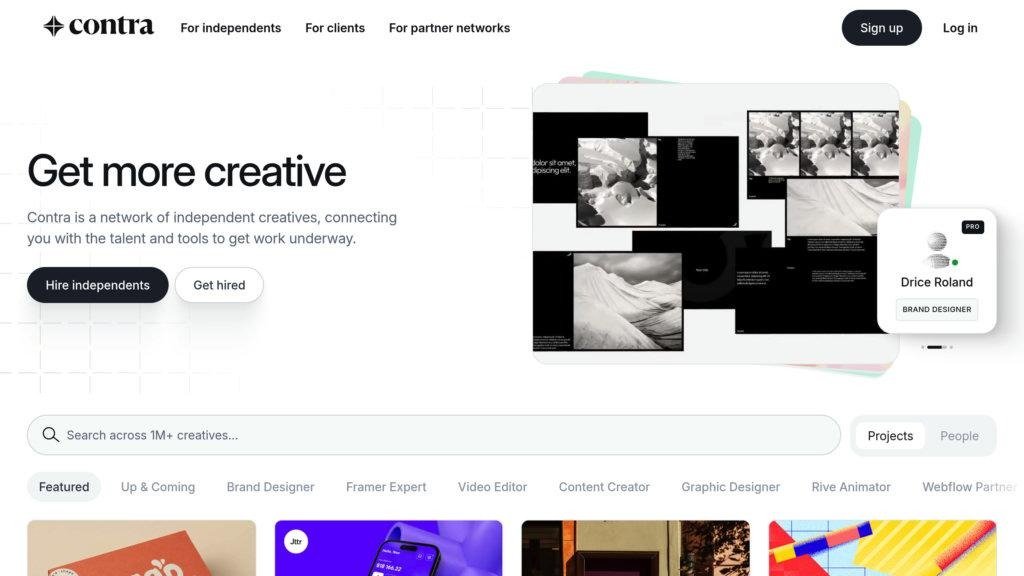
Contra is a freelance platform built around portfolios, independent work, contracts, invoices, and commission-free payments.
Contra can work well for designers and developers who want their portfolio to play a major role in how clients see their work. You can create a profile, find work, send proposals, manage contracts, invoice clients, and receive payments.
Contra currently states that contractors can create profiles, send proposals, find work, and receive commission-free payments without paying a commission on their earnings. Its Pro plan is a separate paid option for premium features.
The platform supports payment methods such as direct deposit, debit card, PayPal, and USDC. Availability can depend on location and account setup.
Good fit: portfolio-led freelancers who want a modern client workflow with commission-free payments.
Official Contra commission-free payments: https://contra.com/commission-free
PeoplePerHour
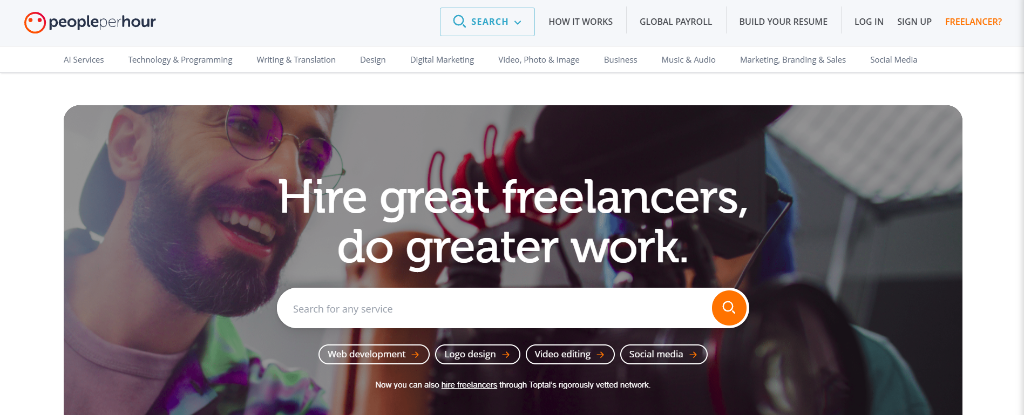
PeoplePerHour is a freelance marketplace where clients can hire freelancers for defined projects and services.
The platform covers development, design, marketing, writing, business, and other freelance categories. Developers can use it for websites, software work, WordPress, and technical services, while designers can offer web, graphic, branding, and UI-related work.
PeoplePerHour does not charge a registration or project-search fee according to its support documentation. Its freelancer service fee varies based on lifetime billing with each buyer, so the effective fee can change as your relationship with a client grows.
Before accepting work, check the current fee rules and payment terms on the platform because pricing policies can change.
Good fit: freelancers who want another project marketplace alongside larger platforms.
PeoplePerHour freelancer commission fees: https://support.peopleperhour.com/hc/en-us/articles/205218337-Freelancer-commission-fees
Guru
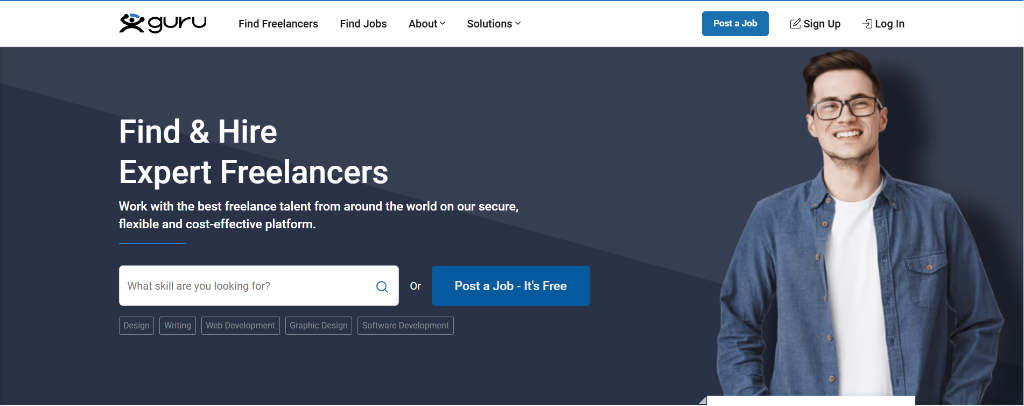
Guru is a freelance marketplace that lets freelancers search for projects, send Quotes, and manage work through its platform.
Guru covers many freelance categories, including programming, web development, design, writing, business, and administrative work. That broad category coverage can help freelancers who offer more than one related service.
Guru uses a membership and job-fee model. Its current pricing page lists multiple membership levels, and the job fee varies by membership. The platform also uses Bids to submit Quotes.
Because paid memberships change the number of bids and other features, compare the free and paid options before upgrading.
Good fit: freelancers who want another broad marketplace and want membership options tied to bidding features.
Official Guru freelancer pricing: https://www.guru.com/pricing-freelancer/
99designs
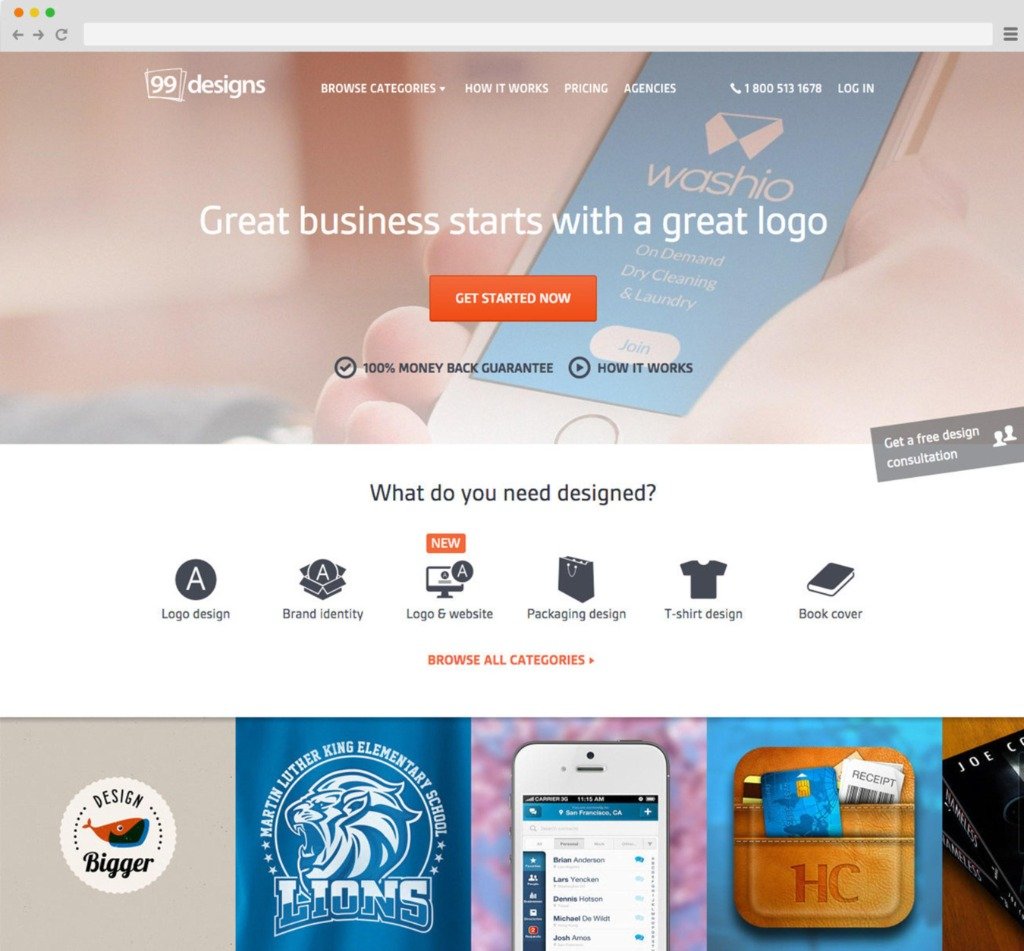
99designs is a design-focused platform built around design contests and one-to-one projects.
It is especially relevant to logo designers, brand designers, graphic designers, web designers, illustrators, and other visual professionals. A developer can use other platforms for coding work, but 99designs is primarily useful when the service itself is visual design.
For one-to-one projects, 99designs currently lists designer platform fees of 5% for Top Level, 10% for Mid Level, and 15% for Entry Level designers.
The platform also has a client introduction fee for certain new-client relationships. Check the current official fee page before pricing a project so the platform costs are included in your quote.
Good fit: designers who want design-specific projects and contest opportunities.
Official 99designs platform fees: https://support.99designs.com/hc/en-us/articles/360022206031-What-is-a-platform-fee
Malt
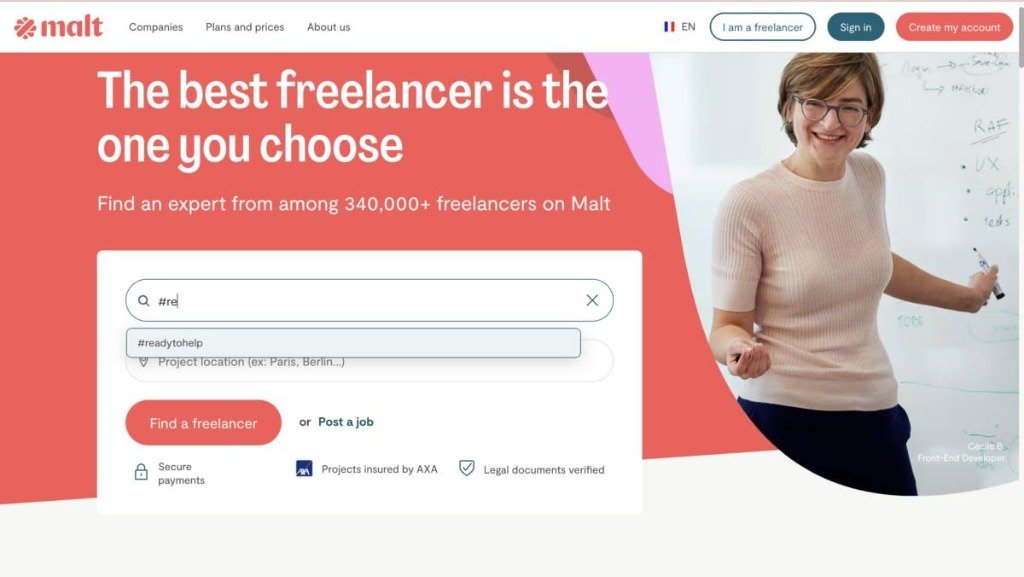
Malt is a professional freelance network where freelancers can receive project proposals and manage quotes, contracts, projects, and invoices.
Malt is designed around independent professionals rather than a simple bid-only marketplace. Freelancers complete a profile that shows their skills, experience, pricing, process, and availability, then review project proposals from clients.
The platform provides tools for quotes, contracting, invoicing, and project management. Malt also says its projects are insured and offers payment support through its platform.
This model can suit experienced developers, designers, consultants, and other specialists who want client work with less manual administration.
Good fit: experienced independent professionals who want a managed freelance workflow.
Official Malt freelancer page: https://www.malt.com/c/freelancers
FlexJobs
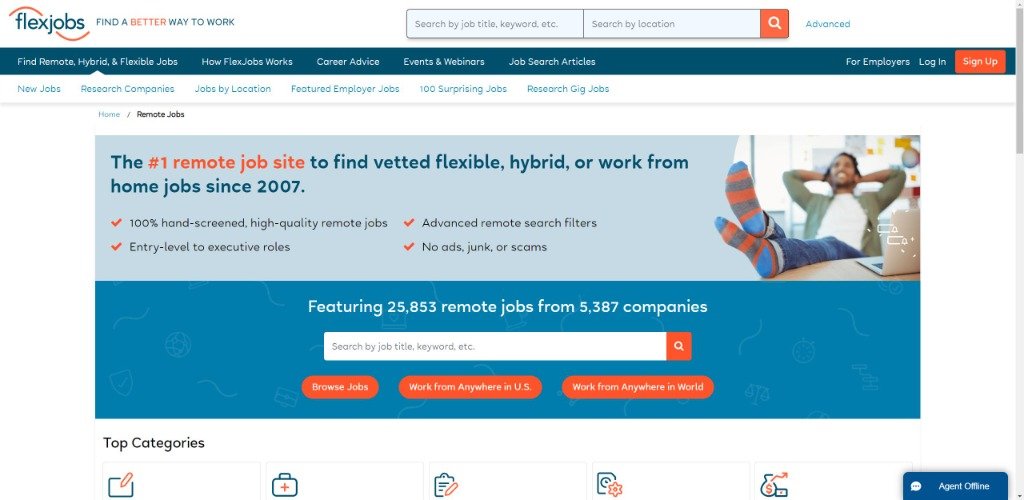
FlexJobs is a paid job-search platform focused on remote, hybrid, part-time, and flexible work rather than a traditional freelance marketplace.
That difference matters. You may find freelance contracts, contract-to-hire roles, part-time jobs, and other flexible work, but the platform is broader than freelance marketplaces such as Upwork or Fiverr.
FlexJobs says its listings cover 50+ career categories and that its job database uses human review. Full access requires a subscription.
Current pricing shown by FlexJobs includes a $2.95 14-day full-access period that auto-renews at $23.95 every four weeks, plus longer subscription options. Check the current pricing page before subscribing.
Good fit: developers and designers who want remote and flexible job listings in addition to freelance marketplaces.
Official FlexJobs pricing: https://www.flexjobs.com/pricing
Specialist Freelance Platforms for Developers
The 10 platforms above cover broad freelance needs, but developers can also look at specialist networks. Examples include Codeable for WordPress work and developer-focused networks such as Arc, Turing, Gun.io, and Flexiple.
Specialist platforms often use a narrower skill focus, screening process, or client-matching model. That can change the type of projects you see. For example, a WordPress specialist may get more value from a WordPress-focused network than from a general marketplace if the platform’s client demand matches the specialist’s skills.
- WordPress development: WordPress, Elementor, WooCommerce, PHP, custom themes, plugins, and ongoing maintenance.
- Frontend engineering: HTML, CSS, JavaScript, React, Vue, and responsive web interfaces.
- Backend systems: PHP, Node.js, APIs, relational databases, and server-side development.
- Ecommerce stores: Shopify Liquid, WooCommerce, BigCommerce, product templates, and checkout integrations.
- Technical site optimization: Core Web Vitals, structured data, clean site architecture, and speed optimization.
Best Freelance Websites for Developers
For developers, the useful question is not only which website has the most jobs. Look at whether the platform has projects that match your stack, experience, and preferred contract type.
| Developer goal | Platforms to consider | Relevant skills |
|---|---|---|
| WordPress work | Upwork, Fiverr, Freelancer, Codeable | WordPress, Elementor, WooCommerce, PHP |
| Frontend projects | Upwork, Toptal, Contra, Freelancer | HTML, CSS, JavaScript, React |
| Senior software work | Toptal, Malt, Arc, Gun.io | Software engineering, architecture, APIs |
| Ecommerce work | Upwork, Fiverr, Freelancer | Shopify, WooCommerce, BigCommerce |
| Website maintenance | Upwork, Fiverr, PeoplePerHour | WordPress, CMS, hosting, troubleshooting |
If your main service is WordPress and Elementor, make those terms easy to find in your profile title, overview, portfolio captions, and proposal text. A client searching for an Elementor developer should understand your exact service within seconds.
Best Freelance Websites for Designers
Designers should choose platforms based on the kind of design they sell. A logo designer, Figma UI designer, brand designer, and product designer may use different project sources.
| Design service | Platforms to consider | What to show in your portfolio |
|---|---|---|
| UI/UX and product design | Upwork, Toptal, Contra, Malt | Figma files, user flows, product screens, case studies |
| Web design | Upwork, Fiverr, Contra, Freelancer | Landing pages, responsive layouts, design systems |
| Graphic and branding | 99designs, Fiverr, Upwork | Logos, brand systems, print and digital work |
| Logo design | 99designs, Fiverr | Logo concepts, final marks, brand applications |
Keep your portfolio focused. Five strong projects with clear results can explain your skill better than a long gallery with unrelated work.
Best Freelancing Websites for Beginners
Beginners usually need a platform where they can explain a simple service, build reviews, and learn how client projects work. You do not need to join every marketplace at once.
- Pick one core service: For example, WordPress bug fixes, Figma landing pages, Shopify edits, or logo design.
- Build sample projects: Create three to five clearly labeled practice projects if you lack client work.
- Focus your overview: Write a concise profile stating what you do, who you help, and your primary tools.
- Apply selectively: Target projects matching your exact skill level rather than mass-bidding.
- Track conversion metrics: Monitor proposals, replies, interviews, completed jobs, and reviews.
- Iterate on demand: Continuously refine your profile based on which services attract client interest.
Fiverr can suit beginners who can package a clear service. Upwork and Freelancer can suit beginners who prefer to search for projects and submit proposals. The important part is to start with a focused offer rather than a profile that says you can do everything.
Best Freelance Websites in India
Freelancers in India can use global marketplaces as well as India-focused job and freelance channels. The platform choice depends on the type of clients you want, the services you sell, and how you want to receive payments.
Global platforms such as Upwork, Fiverr, Freelancer, Toptal, Contra, 99designs, Malt, PeoplePerHour, and Guru can connect Indian freelancers with international clients. The terms, payment methods, verification rules, and tax handling can differ by platform.
For Indian freelancers, keep your business records organized. Depending on your work and turnover, you may need to consider PAN, GST/GSTIN, TDS/TCS, invoices, foreign payment records, and income-tax reporting. Platform tax treatment can change, so check current official Indian rules or speak with a qualified tax professional.
- Professional identity: Use a professional email and a consistent name across profiles.
- Invoicing records: Keep invoices and payment records for every project.
- Payout terms: Understand the platform’s payout method before accepting a project.
- Fee-adjusted pricing: Price in a way that accounts for platform fees, taxes, tools, and your working time.
- Cross-border compliance: For international clients, keep clear records of invoices and payment receipts.
How Much Do Freelance Websites Charge?
There is no single freelance-platform fee. Some platforms charge a percentage of freelancer earnings. Some use memberships, bids, subscriptions, or a combination of fees. Others market commission-free payments while charging for premium features.
| Platform | Current published freelancer cost | Important note |
|---|---|---|
| Upwork | 0%–15% service fee per contract | Exact fee is shown before proposal/offer. |
| Fiverr | Freelancer earns 80% of completed order amount | Taxes may affect final take-home amount. |
| Contra | 0% commission on freelancer payments | Premium Pro plan is optional and paid. |
| 99designs | 5%, 10%, or 15% designer platform fee | Rate depends on designer level for 1-to-1 projects. |
| PeoplePerHour | Tiered service fee based on lifetime billing per buyer | Check current rules before quoting. |
| Guru | Job fee varies by membership | Paid memberships change bids and features. |
| FlexJobs | Subscription required for full database access | Pricing depends on subscription length. |
These figures can change. Always check the platform’s current fee page before setting your rate. A lower platform fee does not automatically mean a lower total business cost; also consider proposal costs, paid memberships, payment processing, taxes, software, and the time you spend finding clients.
How to Choose the Right Freelance Website
| Your goal | Platforms to consider | Why they may fit |
|---|---|---|
| Find development projects | Upwork, Freelancer | Large range of web and software project types. |
| Sell fixed services | Fiverr, PeoplePerHour | Useful when you can define a service and scope clearly. |
| Find senior-level work | Toptal, Malt | Professional networks with stronger experience requirements or positioning. |
| Build around your portfolio | Contra, Upwork | Your previous work can play a major role in client decisions. |
| Find design projects | 99designs, Fiverr, Upwork | Strong coverage for visual and creative services. |
| Find remote jobs | FlexJobs | Focuses on remote, hybrid, part-time, and flexible jobs. |
| Start freelancing | Fiverr, Upwork, Freelancer | Different ways to package services or apply to projects. |
| Find WordPress work | Upwork, Fiverr, Freelancer, Codeable | Good relevance for WordPress, Elementor, WooCommerce, and PHP. |
Before creating profiles, check project types, platform fees, payment rules, client requirements, and the amount of competition in your skill area. It is usually better to maintain two or three complete profiles than to create many incomplete profiles.
How to Create a Strong Freelance Profile
Your profile should answer three questions quickly: What do you do? Who do you help? Why should a client trust your work?
- Specific headline: Use your real service, such as WordPress Developer, Figma UI/UX Designer, Shopify Developer, or Frontend Developer.
- Prominent core skills: Put your strongest skills near the top. Match them to the services clients search for.
- Relevant portfolio work: A WordPress developer should lead with WordPress projects instead of unrelated graphic work.
- Clear workflow explanation: Explain your process in simple language. Tell clients what happens after they contact you.
- Verifiable proof: Add client results, testimonials, completed projects, certifications, and relevant work history.
- Fresh service catalog: Keep your profile current. Remove old services that no longer match the work you want.
For example, a WordPress freelancer who wants Elementor projects should not hide Elementor inside a long list of 30 tools. Put WordPress and Elementor near the top, show two or three relevant projects, and explain the type of websites you build.
Should You Use More Than One Freelance Website?
Yes, if you can maintain each profile properly. Using two or three platforms can reduce dependence on one source of leads and let you test different client types.
The risk comes when every profile becomes incomplete. Your portfolio, service descriptions, availability, rates, and contact workflow should stay accurate. If a platform produces no useful leads after a reasonable test period, review the profile and project targeting before spending more time there.
Freelance Marketplace vs. Your Own Website
| Factor | Marketplace | Own website |
|---|---|---|
| Finding clients | Built-in project listings and client searches | You must attract visitors or referrals |
| Trust | Platform profile, reviews, payment process | You build trust through portfolio, proof, and reputation |
| Fees | Platform fees may apply | Hosting, tools, payment processing, and marketing costs apply |
| Control | Platform controls many rules | You control your brand and content |
| Long-term asset | Profile depends on the platform | Website can become a direct business asset |
For many freelancers, the two models work together. A marketplace can help find early clients, while a personal website can show deeper case studies, services, testimonials, and direct contact options.
Common Freelancing Mistakes to Avoid
- Generic profiles: Listing every skill you have instead of a clear specialty.
- Copy-pasting proposals: Sending generic proposals instead of answering specific client questions.
- Overpromising experience: Bidding on projects that exceed your verified technical capabilities.
- Mismatched portfolios: Displaying portfolio samples unrelated to the services offered.
- Ignoring commission cuts: Forgetting to factor 10%–20% platform fees into project estimates.
- Scope ambiguity: Starting work without locked milestones and delivery specifications.
- Circumventing escrow: Taking payments off-platform risking account suspension and payment loss.
- Overcommitting capacity: Accepting too many concurrent clients before estimating delivery velocity.
- Disorganized bookkeeping: Failing to retain contracts, invoices, and foreign remittance receipts.
Frequently Asked Questions
What is the best freelancing website for developers?
There is no single platform for every developer. Upwork and Freelancer offer broad project marketplaces, Fiverr works well for packaged services, Toptal focuses on screened professional talent, and specialist networks can fit developers with a narrow technical focus.
What is the best freelance website for designers?
The answer depends on the design service. 99designs is design-focused, while Fiverr, Upwork, Contra, Malt, and Toptal cover different types of visual, UI/UX, product, and web design work.
Which freelancing websites are good for beginners?
Fiverr, Upwork, and Freelancer can provide different starting paths. Beginners should choose a focused service, create a small portfolio, and apply only to projects that match their skills.
Which freelance websites can Indian freelancers use?
Indian freelancers can use global platforms such as Upwork, Fiverr, Freelancer, Toptal, Contra, 99designs, Malt, PeoplePerHour, and Guru. Payment, tax, verification, and withdrawal rules can differ by platform and location.
How much do freelance websites charge?
Fees vary. Upwork currently lists a 0%–15% freelancer service fee per contract. Fiverr sellers earn 80% of completed order amounts. Contra states that freelancer payments are commission-free, while 99designs uses level-based platform fees. Other platforms use tiered fees, memberships, or subscriptions.
Can I use more than one freelance website?
Yes. Two or three well-maintained profiles can help you test different client sources. Focus on quality and consistency instead of opening many incomplete accounts.
Can web developers find WordPress jobs on freelance websites?
Yes. WordPress, Elementor, WooCommerce, PHP, website maintenance, custom themes, plugins, and speed optimization are common service areas on broad freelance marketplaces. Specialist WordPress networks can also be useful.
Do I need a portfolio before joining a freelance website?
A portfolio is not always required to create an account, but it can make client decisions easier. If you have no paid work yet, create practice projects and label them honestly as sample work.
Final Takeaway
The best freelancing websites for developers and designers depend on the work you sell and the way you want to find clients. Upwork, Fiverr, Freelancer, Contra, PeoplePerHour, and Guru offer broad freelance opportunities. Toptal and Malt focus more on professional networks. 99designs focuses on design, while FlexJobs focuses on remote and flexible job listings.
Start with one clear service, build a focused portfolio, choose two or three platforms that match your work, and track which projects bring useful client conversations. Review platform fees and current rules before accepting paid work.
Research and Source Notes
Platform fees, pricing, and service models can change. The article uses official platform pages for current figures where available. Readers should check the linked official page before making pricing or membership decisions.
- Upwork freelancer pricing: https://www.upwork.com/pricing/freelancer
- Upwork freelancer service fee: https://support.upwork.com/hc/en-us/articles/211062538-Learn-about-the-Freelancer-Service-Fee
- Fiverr earnings: https://help.fiverr.com/hc/en-us/articles/9234443621137-Your-earnings-page
- Toptal screening: https://www.toptal.com/top-3-percent
- Freelancer FAQ: https://www.freelancer.com/faq/topic.php?id=18
- Contra commission-free payments: https://contra.com/commission-free
- PeoplePerHour freelancer fees: https://support.peopleperhour.com/hc/en-us/articles/205218337-Freelancer-commission-fees
- Guru freelancer pricing: https://www.guru.com/pricing-freelancer/
- 99designs platform fees: https://support.99designs.com/hc/en-us/articles/360022206031-What-is-a-platform-fee
- Malt freelancer page: https://www.malt.com/c/freelancers
- FlexJobs pricing: https://www.flexjobs.com/pricing
